
An eatertainment general manager runs one of the most demanding venues in hospitality. Entertainment-plus-dining concepts combine a high-volume restaurant and bar with games, attractions, live events and private parties under one roof. In Ontario, these venues range from large-format social entertainment centres in the Greater Toronto Area to attraction-led properties in tourist destinations such as Niagara Falls. The general manager is responsible for all of it at once: food and beverage, group sales, guest safety on the attractions, a large and often young team, and a profit picture that changes hour by hour.
Lecours Group's hospitality recruiters work with operators across Ontario and Canada on senior venue leadership. Below is what the eatertainment general manager role really involves, what owners look for, and how it differs from more familiar hospitality leadership roles.
What makes the venue different
A traditional restaurant sells food and drink. An eatertainment venue sells an experience in which food and drink are only part of the spend. Guests may arrive for bowling, axe throwing, golf simulators, arcades, virtual reality or live entertainment, then stay to eat and drink. Corporate groups and birthday parties book packages that combine all of these. On a busy Saturday, the same building may be hosting families in the afternoon, a corporate event in the evening and a late-night crowd at the bar.
That mix changes the leadership job. The general manager has to balance capacity across attractions and dining, keep service fast when the venue is full, and make sure every part of the experience feels connected rather than like separate businesses sharing a roof.
High-volume food and beverage
Food and beverage is usually the engine of profitability, and the volume can be intense. Menus are built for speed and shareability, bars run at full capacity, and orders may come from tables, lanes, game areas and event rooms at the same time.
- Kitchen throughput. The general manager works with the kitchen leader to design menus and production systems that hold quality at peak volume.
- Beverage programs. Bars often drive a large part of the business, which brings responsibility for responsible service and licensing compliance.
- Service flow. Delivering food and drink to guests who are moving between activities requires different service models from a seated dining room.
- Cost control. With high volume and a busy calendar, small problems in purchasing, waste or labour become expensive quickly.
In Ontario, licensed venues operate under the oversight of the Alcohol and Gaming Commission of Ontario, which sets out licensing requirements and responsible service training. A strong general manager treats that compliance as part of the guest experience, not as paperwork.
Events and group sales
Group business is often what separates a strong eatertainment venue from an average one. Corporate team events, holiday parties, school groups, fundraisers and birthday packages fill the calendar and smooth out quieter days.
The general manager usually leads or closely supports the group sales function. That means setting package strategy, working with sales staff on pricing and inclusions, managing the event calendar so that groups and walk-in guests can coexist, and making sure every event is delivered as promised. A venue that wins repeat corporate bookings and referrals has a significant advantage, and that depends on consistent execution.
Leaders with large-venue event experience bring useful skills here. For a sense of how high-volume event food and beverage is led in sports and entertainment settings, see our article on stadium food and beverage director recruitment.
Attraction safety
Unlike most restaurants, eatertainment venues include activities that carry physical risk. Guest safety on the attractions is a core responsibility of the general manager.
In Ontario, certain amusement devices, including go-karts, are regulated by the Technical Standards and Safety Authority, which provides licensing, inspection and incident-reporting requirements. Other activities may fall outside that framework but still need clear safety rules, staff training, waivers where appropriate, and regular equipment checks.
A strong general manager builds a safety culture that the whole team understands: clear procedures, confident staff who will enforce the rules with guests, and a habit of reviewing incidents and near misses to prevent the next one. Operators should confirm their own regulatory obligations with the relevant authorities.
Leading a younger workforce
Eatertainment venues often employ many students and early-career team members across hosting, attraction attendants, servers, bartenders and kitchen roles. That brings energy and flexibility, and it also brings leadership challenges.
- Training at scale. New team members need to learn service standards, safety procedures and responsible service quickly.
- Scheduling around school. Availability changes with exam periods, holidays and the academic year.
- Developing supervisors. Promoting from within and building a strong layer of shift leaders keeps the venue running when the general manager is not on the floor.
- Culture and retention. A team that enjoys working together delivers a better guest experience and stays longer.
General managers who invest in coaching and clear expectations build venues where people want to work, which in turn reduces the constant cost of hiring and training.
How the role compares with other GM seats
An eatertainment general manager draws on skills from several worlds: the operational rhythm of a busy restaurant, the event discipline of a banquet operation, and the safety and capacity planning of an attraction. For a clear explanation of how general manager responsibilities differ from those of a restaurant manager, read our guide on restaurant manager vs general manager.
The venue general manager is accountable for the whole business, not just the food and beverage side. In larger venues, a food and beverage leader may report to them, but the general manager owns the overall guest experience, profitability, safety and team.
The first months in the role
A new eatertainment general manager usually spends the early months learning the venue's rhythms before changing much. That means working peak shifts on the floor, walking every attraction with the team that runs it, reviewing safety procedures and incident records, and sitting in on group sales conversations. It also means understanding where the money is made and lost: which attractions are busy and which sit idle, which packages sell well, and where food and beverage service breaks down at peak times. Owners value general managers who arrive with a clear listening plan, then set a small number of priorities and deliver them visibly.
What owners look for
- Experience running a high-volume, multi-revenue venue, whether in eatertainment, hotels, stadiums, resorts or large restaurants.
- A strong commercial mindset, including group sales and event revenue.
- A proven safety record and a calm approach to incidents.
- The ability to lead and develop a large, young team.
- Comfort with data, from attraction utilization to food and beverage cost.
Frequently asked questions
Do I need eatertainment experience to become a venue GM?
Not always. Leaders from hotels, stadiums, resorts and high-volume restaurants often transition successfully, especially if they have event and safety experience.
What is the biggest challenge in the role?
Balancing everything at once. Peak periods test food and beverage, attractions, events and staffing at the same moment.
Are these roles usually advertised?
Some are, but senior venue appointments are often filled confidentially.
What a hospitality-rooted firm adds
Lecours Group understands high-volume hospitality and the leadership it demands. We help owners find general managers who can run the whole venue, not just one part of it. Review the hospitality clients we've placed for to see the organizations that trust us with senior appointments.
Start a confidential conversation
We are currently recruiting a Director of Culinary / Executive Chef for a prestigious private golf and country club in London, Ontario, leading member dining, banquets, weddings and private events across two kitchens. You can see that role and our other current openings. If you are an operator planning a venue leadership appointment, tell us about the role through our find candidates page.
Our team has spent years appointing senior leaders across Canadian hospitality. Meet our recruiters and see who would support your process.
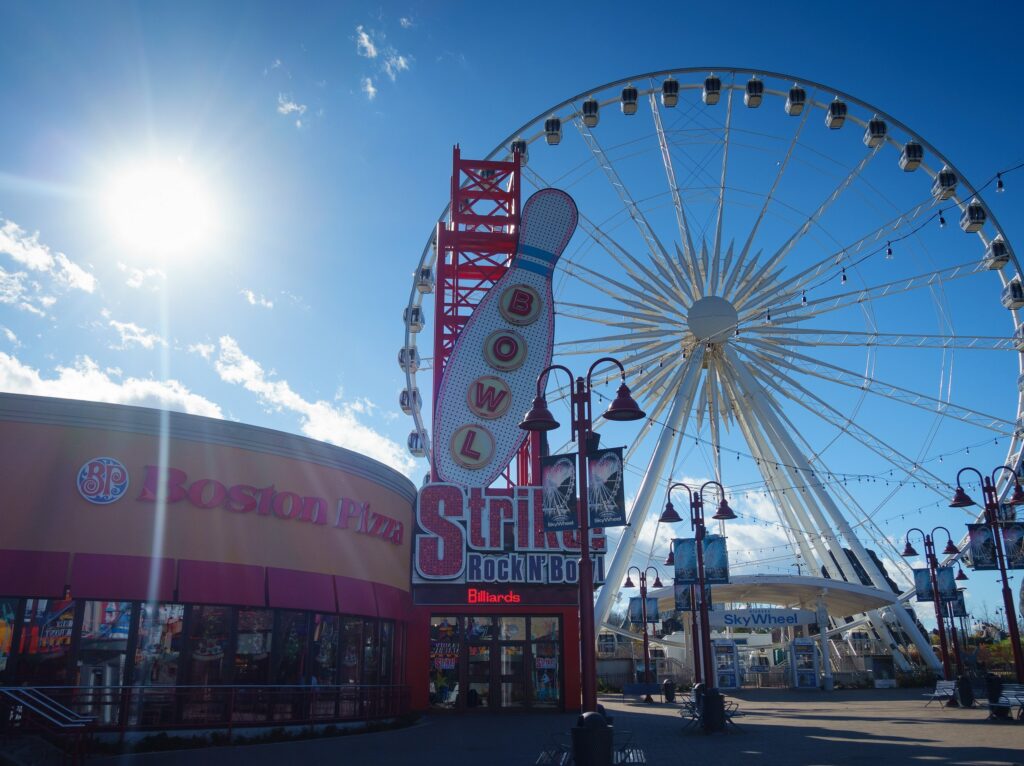
Photo: “Pizza, Bowling And SkyWheel” by Gary J. Wood, via Wikimedia Commons, licensed under CC BY-SA 2.0; resized. Illustrative entertainment district setting only; no endorsement or client relationship implied.
