
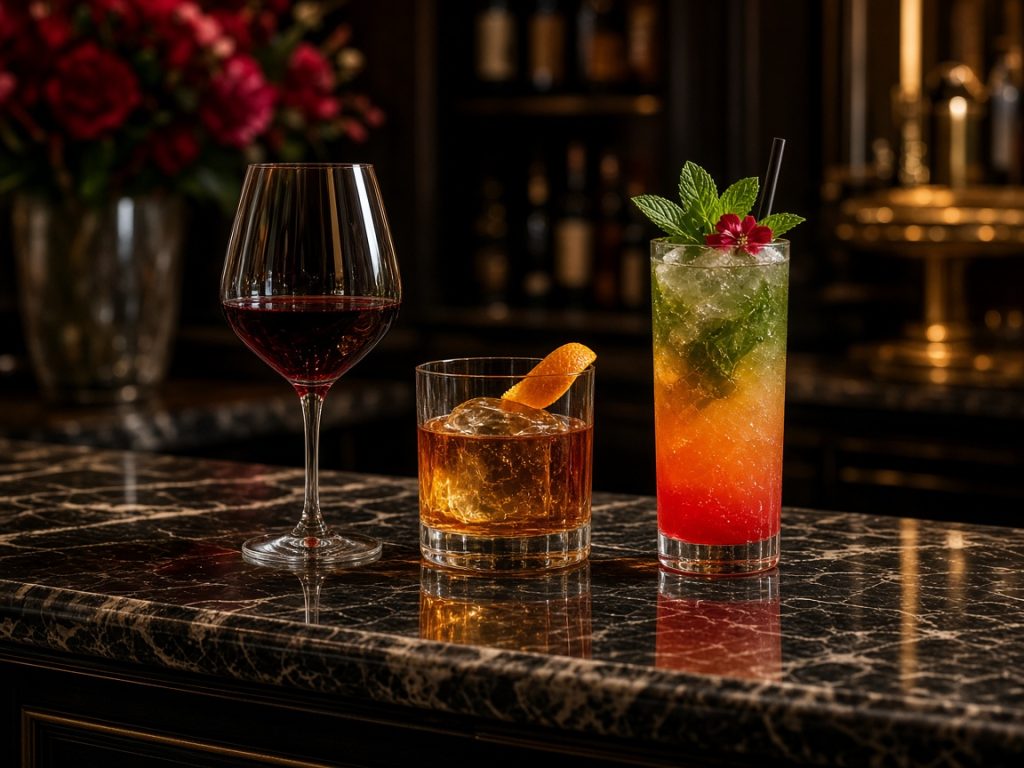
Beverage director recruitment has become a strategic priority for restaurant groups, hotels and private clubs. A well-run drink program shapes the guest experience, protects margins and sets a venue apart from its competitors. Today's program goes well beyond wine and spirits, with low- and no-alcohol options, coffee and tea, and beverage pairings across every outlet. Finding a leader who can do all of that is hard. This guide explains what the role involves, how it differs from a sommelier or bar manager, and how to run a search that finds the right person. It also covers when to bring in specialist hospitality recruiters for an executive search.
Why beverage director recruitment deserves specialist attention
Beverage leadership sits where hospitality, purchasing and finance meet. A beverage director influences what guests spend on every check, manages one of the largest inventory investments in the building, and often works with suppliers across several outlets. Restaurants Canada's 2026 pre-budget submission estimates that the sector buys about $43 billion in food and beverages each year, with roughly 68% sourced domestically. Buying decisions of that size need disciplined leadership.
Margins add urgency. Restaurants Canada's Q2 2026 Quarterly Report found that 41% of operators are operating at a loss or breaking even. A beverage program that is priced, sourced and sold well is one of the few levers operators have to improve profitability without cutting staff.
Beverage director, sommelier, bar manager: know which you need
Beverage director
Owns strategy across every beverage category and, often, across several venues. Responsibilities usually include list development, supplier negotiation, pricing, cost targets, staff training and compliance with provincial liquor regulations. This is a leadership role that typically reports to the GM, F&B director or ownership.
Sommelier or wine director
Focuses on wine selection, cellar management and guest service on the floor. In smaller operations the head sommelier may also act as beverage director. In larger ones, sommeliers report to the beverage director.
Bar manager
Runs bar operations: cocktail development, bar staffing, inventory and service standards. A bar manager may report to the beverage director in a multi-outlet setting.
Being precise about the title avoids a common problem: hiring a talented sommelier into a role that really needs a commercial, multi-category strategist.
What a modern drink program includes
- Wine: by-the-glass strategy, cellar investment and pairing programs
- Spirits and cocktails: a signature menu, batching for speed and consistency, and well selection
- Beer and cider: local and regional partnerships, draft management and rotation
- Zero-proof: non-alcoholic cocktails, de-alcoholized wine and beer, and house-made sodas, priced and presented with the same care as alcoholic drinks
- Coffee and tea: often overlooked, but important to the morning and afternoon trade, especially in clubs and hotels
- Training: service standards, product knowledge and responsible service across all front-of-house staff
Why zero-proof expertise matters in hiring
Low- and no-alcohol options are now a regular part of the menu. Guests who don't drink alcohol still expect an interesting choice and are willing to pay for it when it's done well. When you assess candidates, ask them to walk through a zero-proof list they've built: how it was costed, how staff were trained to sell it, and how it performed against the rest of the menu.
A competency profile for beverage directors
- Commercial acumen: pricing strategy, cost-of-goods control, inventory turnover and menu engineering
- Product expertise: broad knowledge across categories, with credentials appropriate to the venue
- Supplier management: negotiation, allocation management and relationships with agents and producers
- Leadership and training: building knowledgeable, confident service teams
- Compliance: familiarity with provincial liquor licensing and responsible-service requirements
- Guest focus: turning expertise into hospitality rather than intimidation
Running the search
Where candidates come from
Strong beverage leaders often come from fine-dining sommelier teams, hotel F&B departments, high-volume cocktail bars and supplier or agency roles. Each background brings different strengths. A former agency representative may excel at supplier relationships but need support with floor leadership. A head sommelier may be exceptional with guests but new to multi-unit budgeting.
A practical assessment
- Menu review: Share your current list and ask finalists for a written critique and a 90-day improvement plan.
- Costing exercise: Give real invoice prices and ask for a priced by-the-glass selection that meets your target cost.
- Training demonstration: Ask the candidate to run a 15-minute session for your servers.
- Floor shift: Watch how they read tables and communicate with guests.
Compensation considerations
In Lecours Group's placement experience, beverage directors commonly carry total compensation above $100,000 a year, often with a performance bonus and benefits. Beverage director pay depends on the property. Pay is driven by the number of outlets, beverage revenue, cellar value and the scope of purchasing. Benchmark against comparable venues, or talk with Lecours Group. Structure an incentive around beverage cost, sales growth or program milestones, and consider an education budget for tastings, travel and certification.
For more on how search works and how fees are structured, see our food and beverage recruiters page.
Integrating the beverage director with the kitchen
The best programs are built in partnership with the culinary team. Pairings, seasonal menu changes and event planning all go better when the beverage director and chef work closely together. When you hire for either role, ask how the candidate has collaborated with their counterpart. Our guide Mastering the Kitchen describes how senior chefs think about that partnership.
Onboarding a new beverage director
The first 90 days set the tone. Give the new director full visibility of inventory reports, invoices and sales mix data on day one. Agree on a short list of priorities, such as rationalizing slow-moving inventory, refreshing the by-the-glass list or launching a zero-proof menu, and set review points at 30, 60 and 90 days. Introduce them to key suppliers personally so relationships carry over smoothly.
Common early wins
- Cutting dead stock and freeing up the cash tied up in the cellar
- Re-pricing the list to clear, consistent margin targets
- Running staff training that lifts sales of higher-margin items
- Introducing a concise, well-priced zero-proof selection
Questions to ask in the final interview
- Which program are you proudest of, and what did it do to beverage cost and sales?
- How do you decide when to delist a product that guests like but that doesn't earn its place?
- How would you train a new server to recommend wine confidently in their first week?
A beverage director who understands both the cellar and the spreadsheet is rare. Give the search the time and structure it needs, and resist the urge to settle for whoever is available first.
Frequently asked questions
Does a single restaurant need a beverage director?
Not always. A single venue with a modest list may be well served by a strong bar manager or head sommelier who has clear cost targets. A dedicated director makes sense once beverage sales, inventory value or outlet count is large enough that strategy and purchasing need full-time leadership.
How important are formal wine certifications?
Certifications show knowledge and commitment, and they matter more in fine dining. For multi-unit roles, commercial results and leadership track record usually count for more. Treat credentials as one input rather than a filter that screens out capable operators.
How can we keep a talented beverage director long-term?
Give them ownership: a real budget, a voice in menu decisions and room to build signature programs. Fund ongoing education and recognize their contribution in results reviews. Beverage professionals often leave when they feel their program has stalled.
Build a better drink program
Lecours Group has helped hospitality employers recruit F&B leaders since 1991. Find candidates for your next beverage leadership role, contact us to discuss a confidential search, or, if you're a beverage professional, view our current openings.