
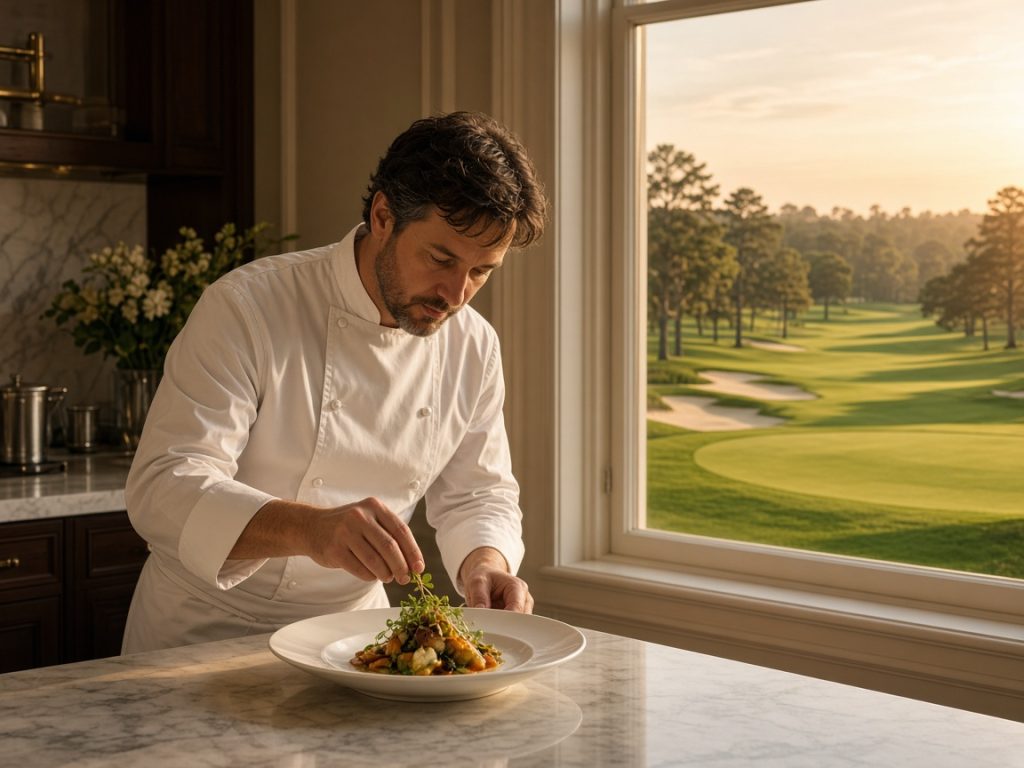
Private club chef recruitment is different from hiring for a restaurant. A golf or country club has no walk-in guests. The same few hundred members eat in its dining rooms week after week, its food and beverage results get reported to a board, and its banquet and tournament calendar can double the kitchen's workload in a weekend. When a club gets this hire wrong, members notice within a month. When it gets it right, the chef becomes one of the club's best reasons for people to join and to stay. This guide covers how boards, general managers and search committees can run a disciplined search for the chef who will lead their kitchen. Many clubs bring in specialist hospitality recruiters for this search, but the principles below apply either way.
Why private club chef recruitment needs its own playbook
A restaurant chef answers to diners and an owner. A club chef answers to members who are also, in effect, the owners. That changes what the role is. Beyond cooking, a club chef has to read the membership, respond to committee feedback, and deliver food in many formats: fine dining one night, a halfway-house menu the next morning, a 250-cover wedding on Saturday and a junior golf barbecue on Sunday.
The labour market makes this harder. In its May 2026 workforce report, Restaurants Canada says the industry has almost 60,000 foodservice job vacancies and projects that number to pass 105,000 by 2030. It names cooks and chefs among the hardest roles to fill. Clubs are competing for the same people as hotels, restaurant groups and institutional foodservice, so a search that relies only on a job posting usually finds only the candidates who are actively looking.
The roles clubs typically recruit
- Director of Culinary or Executive Chef: owns every food outlet, the food cost and the kitchen team, and usually sits on the senior management team with the GM.
- Chef de Cuisine: runs the à la carte kitchen day to day. In larger clubs this person is the likely successor to the culinary director.
- Banquet Chef or Sous Chef: handles events, tournaments and weddings, which bring in a large share of revenue at many clubs.
Lecours Group is currently running searches for a Chef de Cuisine at a private club in Toronto and a Director of Culinary at a private golf and country club in London, Ontario. Both are typical of where demand is right now: experienced leaders who can handle à la carte quality and high-volume events with the same team.
Define the role before you search
Most failed club chef hires go back to a vague brief. Before any outreach, the GM and the search committee should agree on the following:
- Scope: How many outlets, covers and events? Is the role year-round, or does the kitchen shrink sharply in winter?
- Reporting line: Does the chef report to the GM, an F&B director or the clubhouse manager? Who signs off on menus?
- Financial accountability: Food cost targets, labour budget and whether the chef owns purchasing.
- Member engagement: Will the chef host tasting dinners, attend committee meetings or work the room on busy nights?
- Culture: Is the club modernizing its menu, or protecting traditions that long-time members value?
Write the answers down. They become the scorecard for every candidate and stop the committee from drifting toward whoever interviews best.
Compensation: anchor to data, then go above it
Club culinary leadership is senior, salaried work. In Lecours Group's placement experience, the chefs de cuisine and culinary directors placed in private clubs commonly carry total compensation above $100,000 a year, often with a performance bonus and benefits. For published examples, Flamborough Hills Golf & Country Club advertised its club chef role from $85,000 a year in 2026, and Gecko Hospitality's 2025 salary survey reports an average of $124,500 for senior chefs in clubs, hotels and resorts across North America. Pay for a club culinary director depends on the property. Pay is set by scope rather than title: club size and membership, annual covers, the number of outlets, banquet volume and whether the role is year-round. Benchmark against peer clubs of similar size, or talk with Lecours Group about current market levels.
Benefits matter too. A club that offers health coverage, a meal program, professional development and a predictable off-season schedule has a real advantage over many restaurants.
What strong club offers usually include
- A competitive base salary, benchmarked against comparable clubs, hotels and restaurant groups
- A performance bonus tied to food cost, member satisfaction scores or event revenue
- Paid education, such as competitions, stages or club management courses
- Defined winter scheduling, which is one of the most persuasive benefits a seasonal club can offer
Sourcing: where great club chefs actually come from
The best club chefs are rarely unemployed. They are running hotel banquet kitchens, multi-unit restaurant operations or other clubs, and they respond to a confidential approach, not to job boards. A good search maps the market in three groups:
- Other private clubs: These candidates already understand member dynamics and seasonal swings.
- Hotels and resorts: Strong on banquets, systems and cost control, though they may need coaching on member relationships.
- Chef-driven restaurants: Strong on creativity and à la carte standards. Check their event experience carefully.
Our food and beverage recruiters page explains how direct outreach works across these groups and how search fees are structured. For a deeper look at the senior culinary career path candidates follow, see our guide Mastering the Kitchen. Our chef recruitment agency guides cover other chef searches across Canada.
Assessment: interviews, tastings and references
Structured interviews
Use the scorecard. Ask every candidate the same core questions about food cost, team retention, menu engineering and how they have handled difficult feedback from members or owners. Ask for specifics: "Tell me about a time a committee pushed back on a menu change" will tell you more than "How do you handle feedback?"
The tasting
A tasting is standard for senior club chef hires, but plan it as a test of judgement, not a performance. Give finalists a brief that reflects how the club actually operates: a three-course member dinner, one banquet-friendly dish and one casual item. Pay candidates for their ingredients and time, and include a member or two from the house committee on the panel.
Reference checks that go deeper
Speak with former GMs and with people who reported to the candidate. Club kitchens depend on retention. A chef who has kept a sous chef for five years is telling you something a résumé can't.
Onboarding: protect the first season
A new club chef is most at risk in their first full season. Arrange introductions with key committees, share past member survey results, and agree on a 90-day plan that separates quick wins, such as one refreshed menu section, from longer projects like a full concept change. Clubs that plan for a spring start give the new chef time to hire and train before the busy season.
Frequently asked questions
Should a club promote its sous chef or recruit externally?
Promote from within when the sous chef has already run the kitchen during absences, has the members' trust and has shown cost discipline. Recruit externally when the board wants a new direction or when the internal candidate has never managed a budget. Many clubs run a confidential external search and consider the internal candidate alongside the shortlist, which tests the market without unsettling the team.
How involved should members be in choosing the chef?
Members should help shape the brief and take part in the tasting, but the hiring decision should stay with the GM or a small search committee. Large panels slow the process, and strong candidates often withdraw when it drags on.
What if our club only needs a strong chef for six months of the year?
Be upfront about it. Some clubs pair a year-round culinary leader with a seasonal team. Others share a chef with a sister property or a winter catering operation. Being transparent about winter hours attracts candidates who actually want that rhythm.
Start your club's chef search
Lecours Group has helped hospitality employers hire leaders since 1991. If your club is preparing for a culinary leadership change, tell us about the role and see candidates or contact our team for a confidential conversation. If you are a chef interested in private club opportunities, browse our current openings.