
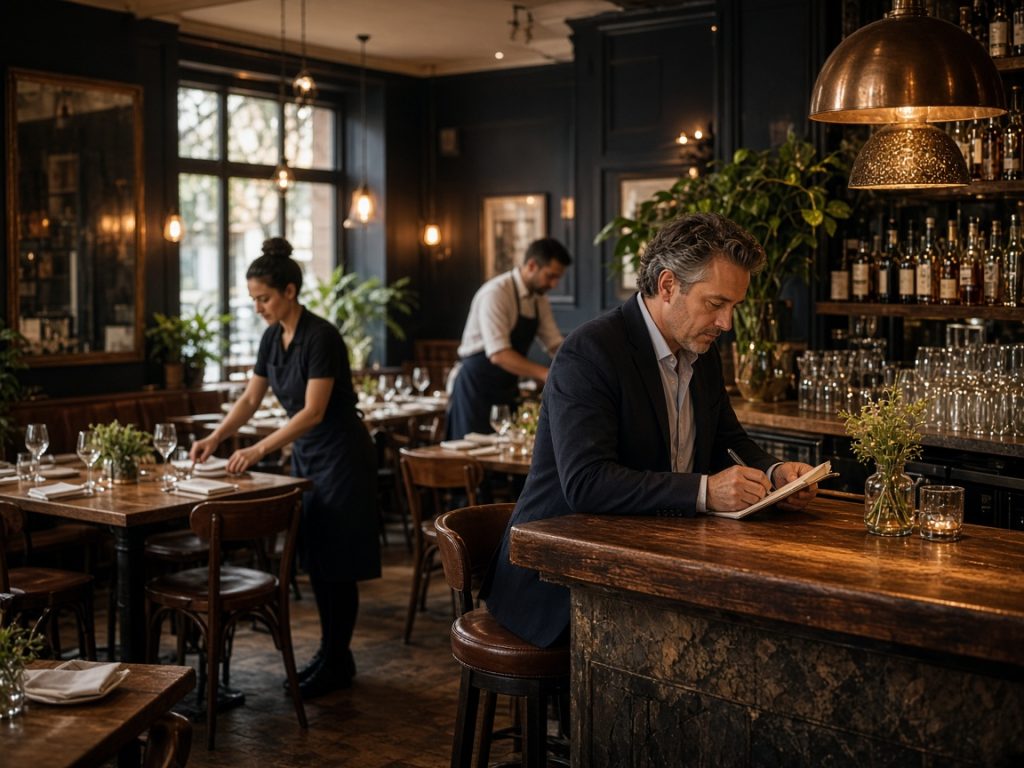
Restaurant recruiting has always been competitive, but in 2026 it is happening under unusual financial pressure. Independents and multi-unit groups alike need to hire managers, chefs and floor leaders who will lift performance, without the room to absorb a costly mistake. This playbook sets out how owners and operators can recruit deliberately, using real labour market data, clear role definitions and a process that attracts people who are already employed elsewhere. For senior hires, executive search hospitality recruiters can add reach into candidates who are not on the job boards.
Restaurant recruiting in a tight-margin market
The numbers frame every hiring decision. Restaurants Canada's Q2 2026 Quarterly Report found that 41% of operators are operating at a loss or breaking even, 64% say profitability is lower than last year, and real commercial foodservice sales are expected to grow just 1.5% in 2026. Restaurants Canada has also reported an average pre-tax profit margin of 4.1% for the industry.
Meanwhile, the labour pool is tight. The association's May 2026 workforce report counts almost 60,000 foodservice vacancies and projects more than 105,000 by 2030. Low margins and scarce talent together mean every hire has to earn its place.
Independents vs. groups: different recruiting problems
Independents
Owner-operators often recruit on instinct and through personal networks. That can work for line roles, but leadership hires need more structure. Independents compete on culture, creative freedom and direct access to the owner, so they should put those advantages front and centre. Their weakness is usually career progression: candidates want to know where the role leads.
Groups
Multi-unit groups can offer career paths, training and benefits, but they risk generic job descriptions and slow approvals. The best groups recruit for each location's needs while keeping brand standards consistent, and they move fast once they find the right person. When a group is staffing a new location from scratch, our guide to restaurant opening recruitment covers how to build the leadership team before launch.
A five-step recruiting playbook
1. Write a role brief, not a job ad
Before you post anything, define the outcomes. For a restaurant manager: what sales, labour percentage, guest-satisfaction and retention targets will they own? For a chef: what food cost, menu direction and team-development goals? A clear brief makes the ad, the interview questions and the offer consistent.
2. Benchmark pay honestly
Leadership pay should reflect the job, not a generic category. In Lecours Group's placement experience, the general managers, multi-unit leaders, chefs de cuisine and culinary directors we place commonly carry total compensation above $100,000 a year, often with a performance bonus and benefits. On the Canada page of Gecko Hospitality's 2025 salary survey, averages for upscale casual concepts are $98,500 for general managers and $122,000 for regional managers. Pay for multi-unit roles depends on the property. Scope drives the number: sales volume, number of units, P&L ownership and team size. Benchmark against peer operators, or talk with Lecours Group before you set a range.
3. Reach passive candidates
The best managers and chefs are usually employed. Referral programs, industry events and confidential direct outreach reach people who will never answer a posting. A specialist partner can help. Our food and beverage recruiters page explains how search works and how fees are structured.
4. Assess against the brief
- Use structured interviews with the same core questions for every candidate
- Run a paid working shift or tasting so you see real behaviour
- Test financial literacy: ask managers to read a P&L, ask chefs to cost a dish
- Check references with people the candidate managed, not just people they reported to
5. Close quickly and onboard properly
Good candidates have options. Make decisions within days, not weeks, and put a 30/60/90-day plan in place. A strong start reduces early turnover, which is the most expensive outcome in recruiting.
Hiring on tight margins: where to spend and where to save
Spend on leadership
A capable general manager or chef de cuisine affects every guest and every dollar. Underpaying for leadership to save a few thousand dollars a year is usually a false economy, because one poor leader can drive away a whole team.
Save through retention
Every departure means advertising, onboarding and lost productivity. Predictable scheduling, a visible career path and recognition cost relatively little and keep good people longer.
Use total compensation creatively
When base pay is constrained, consider performance bonuses tied to profit, staff meals, education budgets and extra time off in slower periods. Explain clearly how the bonus is calculated so candidates trust it.
Roles in demand right now
Demand for operational leaders who can run lean is high across Ontario. Lecours Group's current searches include a Restaurant Manager in Toronto, a General Manager for a premium quick-service concept in Waterloo, and culinary leadership roles in private clubs. Those mandates have something in common: employers want leaders who combine hospitality instincts with commercial discipline. For more on building winning restaurant teams, see our hiring guide.
For culinary leadership in particular, our guide Mastering the Kitchen shows what experienced chefs look for when they evaluate an opportunity, which is useful when you're positioning your offer.
Writing job postings that attract the right people
Postings still matter, especially for supervisory and mid-level roles. The difference between a posting that draws strong applicants and one that draws nothing is usually clarity.
- Lead with the opportunity. Open with what makes the role worth taking (the concept, the team, the growth path), not a list of duties.
- Show the pay range. Transparent ranges save time on both sides and signal that you take the hire seriously. Requirements for disclosing pay in job postings vary by province, so confirm current rules with an employment lawyer.
- Be honest about the schedule. Candidates respect candour about evenings and weekends far more than they respect surprises after they start.
- Keep requirements realistic. Long lists of must-haves discourage capable people who meet most of them. Separate essentials from nice-to-haves.
- Make applying easy. Long forms on a phone lose candidates. Ask for a résumé and a short note, then go deeper later in the process.
Consider the candidate experience
Restaurant communities are small. A candidate who is ignored after an interview, or kept waiting for weeks, will tell others. Acknowledge every application, give interviewees a timeline and close the loop with those you don't hire. A respectful process builds the reputation that makes your next search easier.
Measuring recruiting success
Track a few simple metrics every quarter:
- Time to fill for each leadership role
- 90-day retention of new hires
- Source of hire (referral, posting, direct search) and how each source performs one year later
- Cost per hire, including the hidden cost of an extended vacancy
These numbers show which channels actually work for your business, so you can put your limited budget where it pays off.
Frequently asked questions
Should we hire for experience or for attitude?
For leadership roles, you need both, but you can train specific systems more easily than judgement and work ethic. Decide which skills are non-negotiable on day one and which a strong person can learn in the first 90 days.
How do we compete with larger groups that pay more?
Stress what larger groups can't easily offer: autonomy, direct access to ownership, a real voice in the concept and a closer team. Be specific about schedules and growth, and back it up during the interview process.
Is it worth recruiting from outside the restaurant industry?
Sometimes. Hotel F&B, private clubs and premium retail can produce excellent restaurant managers, especially for guest experience and team leadership. Check how comfortable they are with restaurant-level cost control and pace.
Build your next team
Lecours Group has supported restaurant and hospitality employers since 1991. Find candidates for your next leadership role, contact us to talk through a search, or, if you're looking for your next move, browse current jobs.