
The search is over, the offer is signed and the new leader starts on Monday. For many owners, that feels like the finish line. It is closer to the halfway mark. A new general manager, director of culinary or head of a club's food and beverage operation has a short window to earn the team's trust, understand the numbers and agree priorities with ownership. Hospitality executive onboarding is the work of making that window count: a deliberate plan for the first 90 days, owned by the employer as much as by the new hire. This guide is written for hotel owners, private clubs and restaurant groups in Ontario and across Canada.
Why the first 90 days decide a senior hire
Senior hospitality hires are expensive to get wrong. A live posting for the director of operations for Sodexo Canada's campus and corporate services in the GTA lists $150,000 to $175,000 plus an annual incentive bonus, and The St. Regis Toronto lists $144,000 to $202,650 annually for its director of engineering. At that level, a hire who leaves in month six costs the search, the lost months and often a member of their team who followed them out.
The research behind most onboarding programmes points the same way. Cornerstone Hospitality, which runs onboarding for newly appointed hotel executives, describes a stock of goodwill that a new leader arrives with and that by day sixty is mostly gone. JRG Partners, a US firm, argues in its 90-day roadmap for a general manager that half of transition failures are organizational, not individual: mandates left vague, problems undisclosed, stakeholders unintroduced and instant performance expected.
Before day one: what the employer owes the new leader
- A written mandate. Three to five outcomes for the first year, the known problems and the decisions already made that they will inherit. JRG recommends agreeing this in writing with the hiring leader before the start date.
- The real numbers. The last twelve months of P&L, labour and food cost, guest or member feedback and any audit results.
- An honest history. Why the last person left, and what went well and badly. The kitchen-leadership site chefs.studio, writing about new head chef onboarding, puts it bluntly: owners should give the incoming chef the real version, not a sanitised one, and insist on a written handover if the predecessor is still around.
- Introductions. Owners, board or committee chairs, key suppliers, the brand or franchisor contact and the leaders of each department.
The weeks between acceptance and start date also matter for a different reason: they are when counteroffers happen. Our guide to the hospitality executive counteroffer covers that stretch.
A 30/60/90-day plan that works in hospitality
Days 1 to 30: listen and diagnose
JRG describes the first month as listen and diagnose. In hospitality that means working every daypart, meeting each direct report one to one, walking the property or kitchen with the people who run it and rebuilding the P&L from its drivers. For a culinary leader, chefs.studio recommends that the first month be almost entirely observational, and suggests waiting at least four to six weeks before significant menu changes.
Days 31 to 60: align and decide
The new leader shares their assessment with ownership: what is working, the one or two real constraints and a plan. This is the moment for the people decisions that cannot wait and for a weekly operating rhythm and scorecard.
Days 61 to 90: act and deliver
Show progress on the chosen constraint, deliver an accurate forecast and agree a twelve-month plan with the numbers shown. JRG's point is worth repeating: one early win, chosen deliberately, buys the credibility for the slower structural work.
Check-ins at 30, 60 and 90 days
Put three conversations in the calendar before the start date. Keep them short and structured:
- What have you learned that surprised you?
- Where do you need a decision or support from ownership?
- Which people are you building around, and where are you worried?
- Are the outcomes in the mandate still the right ones?
In Ontario there is also a practical legal milestone. Under the Employment Standards Act, an employee who has been continuously employed for three months is generally entitled to written notice of termination or termination pay if the employer ends the employment. Contracts can add to that, so check yours with your employment lawyer; this is general information, not legal advice. If the contract includes restrictive covenants, our guide to non-compete clauses for hospitality executives in Ontario explains what still applies. The 90-day review is the natural point to confirm that the hire is working.
Early-warning signs to act on
- The new leader is changing menus, schedules or structures before they can explain why.
- Department heads go around them to ownership.
- They keep comparing everything to their previous property.
- Ownership has quietly changed the mandate without saying so.
- Key people on the team have started to look elsewhere.
None of these means the hire was wrong. Each means the conversation needs to happen now rather than at month six. For the longer view, see our guides to hospitality succession planning and how to build a winning team.
Internal promotions need onboarding too
Cornerstone makes a useful point: internal promotions are often given the least support and carry more risk than people assume, because everyone treats the person as already inducted. A sous chef stepping up to run the kitchen, or an assistant GM taking the top seat, needs the same mandate, introductions and check-ins as an external hire, plus a clear reset of relationships with former peers.
Canada first, with a US lens
Most of our placements are in Ontario and across Canada, with selective searches in New York, Miami and Atlanta. Leaders relocating from the US or abroad need extra time on the basics: provincial employment standards, French-language requirements where they apply and the way Canadian ownership groups and club boards expect to be informed.
Frequently asked questions
Who should own the onboarding plan?
The person the new leader reports to, usually the owner, the board chair or a regional leader. HR can organize it, but the mandate and the check-ins need the decision-maker.
Does the recruiter stay involved after the start date?
A good one should check in with both sides during the first months. Ask about it before you sign; our selection process guide covers the stages before the start date.
How is onboarding a culinary leader different from onboarding a GM?
The structure is the same, but a chef earns credibility on the line. Plan time for them to cook with each section, meet suppliers in person and learn which dishes the team can execute consistently before the menu changes.
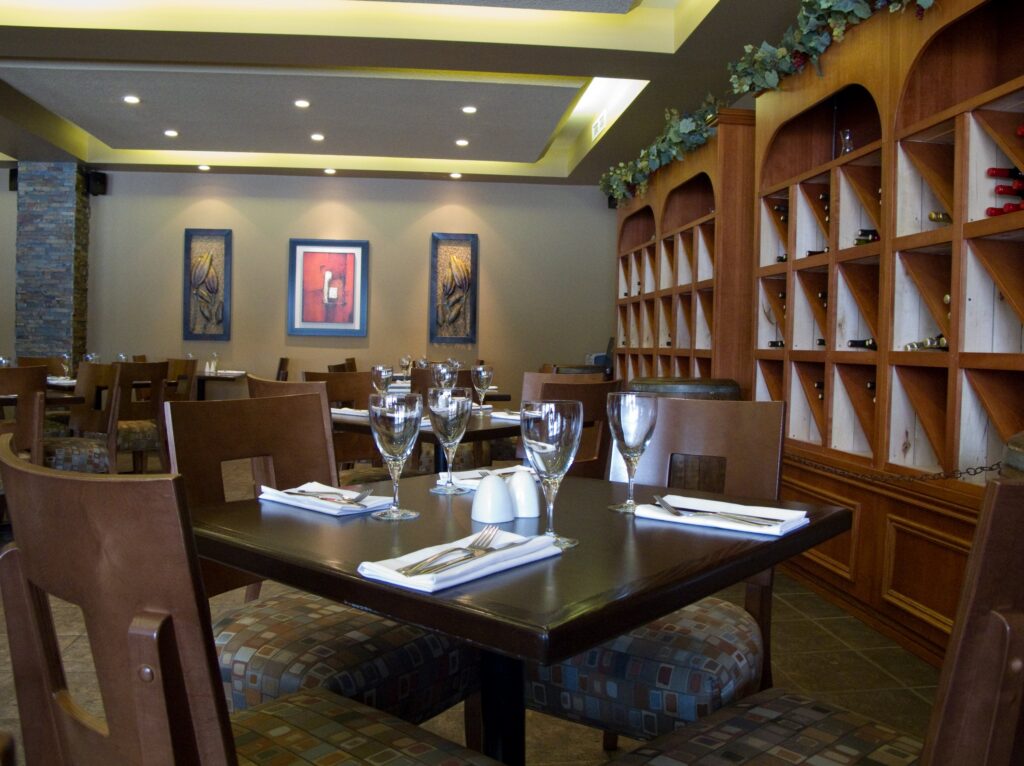
Hero image: "Grill on King, Niagara-On-The-Lake" by Gary J. Wood from Toronto, ON, Canada, via Wikimedia Commons, licensed under CC BY-SA 2.0; cropped.

Current opening: Restaurant Manager, Toronto
Lecours Group has recruited hospitality leaders since 1991, in Toronto and across Canada first and selectively in the United States. We are currently recruiting a Restaurant Manager (#10836) in Toronto, a leadership role where a strong first 90 days sets the tone with the team and the guests. See the role and our other current openings on our find jobs page. Owners, clubs and hotel groups planning a senior hire can find candidates with Lecours Group or contact our team to talk through the search and the handover. You can meet our team and read more answers on our FAQs page.