
At an Ontario yacht club, the general manager's day can move from a dock issue to a flag officers' meeting, then to a junior sailing discussion and a dining-room service problem. The role brings together a waterfront operation, a member community and an elected governance structure. Yacht club general manager recruitment in Ontario needs to assess all three. A candidate who presents well in the clubhouse still has to understand what makes a marine club work.
This guide is for commodores, boards, flag officers and search committees at Ontario and Canadian yacht and sailing clubs. Lecours Group's hospitality recruiters approach the appointment as a confidential leadership search, with the marina, docks and sailing programme at the centre of the brief.
Where this page fits
This is a marine operating mandate, not a general article about every type of private club. Our golf club general manager search guide addresses a different setting. The private-club general manager salary guide provides broader package considerations, not a verified yacht-club pay range. Our guides to private-club assistant GM recruitment and private-club pre-opening recruitment cover other mandates.
For this search, begin with the waterfront. The club should define which marine activities the GM directly manages, which sit with specialist staff and which are delivered through member volunteers.
What a yacht-club GM owns
Marina and dock operations
Berthing, visitor arrangements, dock-service standards and the relationship with marine staff affect members every day. The GM does not need to personally perform every specialist task, but should understand how the operation is staffed, maintained and supervised. Ask who has authority to restrict access or stop an activity when conditions require it.
Seasonal readiness
Launch and haul-out periods, winter storage arrangements where offered, and the opening of member services need a coordinated plan. A strong leader anticipates the pressure points and communicates them clearly. The board should distinguish the club's actual services from assumptions borrowed from another marina.
Sailing and junior programmes
Racing, cruising and junior sailing may serve different member groups and use shared resources. The GM needs to support qualified programme leadership, clear responsibilities and appropriate oversight. Interviews should explore how candidates have worked with sailing staff, parents and volunteer committees when priorities compete.
Flag officers and governance
Elected leaders bring commitment and institutional knowledge. The GM brings continuity and operational accountability. Before recruiting, clarify where the commodore, board, flag officers and committees advise, approve or direct. Candidates need to know how that structure functions in practice, not only what the organisation chart says.
The financial and member experience
Dues, marina-related income, programme fees and clubhouse activity should be understood as part of one operation. The GM must explain financial choices in a way members can follow while maintaining service standards on shore and at the waterfront.
Why the marine distinction matters
A yacht club is not a restaurant with docks outside. Waterfront infrastructure, weather-sensitive activities, sailing traditions and volunteer involvement create a particular operating environment. A search should test respect for that environment without assuming that every successful candidate must have followed an identical career path.
An experienced club leader moving into a marine setting needs a credible plan to work with the people who hold specialist knowledge. A marina leader moving into the top club seat needs evidence of board partnership, financial leadership and member service. Neither background should be accepted on title alone.
Who recruits in this market
Horizon Hospitality's private-club page expressly includes yacht and marina clubs among the organisations it supports. In Canada, Legacy Executive Search Partners' hospitality experience page lists Royal Canadian Yacht Club – General Manager. That is a historical experience claim on the firm's site, not evidence of a current vacancy.
These examples establish that yacht-club leadership is a recognisable search mandate. They do not establish an Ontario salary range or prove that one model suits every sailing club. Lecours Group's starting point is the Canadian market and the club's own operating and governance needs.
How a confidential search should run
- Describe the waterfront honestly. Document the marina footprint, dock responsibilities, seasonal services, sailing activity and known infrastructure priorities.
- Agree the decision structure. Identify the appointing authority, search committee, flag officer involvement and the GM's eventual reporting relationship.
- Build a balanced scorecard. Include marine operational judgement, financial management, people leadership, member communication and board partnership.
- Map relevant candidates privately. Approach Canadian yacht-club and suitable member-focused marine leaders. Consider adjacent experience only where the evidence supports the full mandate.
- Assess through realistic scenarios. Explore competing demands during launch, a dock-service interruption or a disagreement over sailing programme resources.
- Complete references and transition planning. Obtain permission before contacting referees. Agree notice, seasonal timing, record access and introductions to key staff and volunteers.
Questions that reveal marine leadership
Ask a finalist how they would handle a dock closure immediately before a busy sailing weekend. Look for a clear process: gather specialist advice, establish safe operating boundaries, assign responsibilities and communicate options to members. A confident answer that skips the facts is less useful than a measured one that recognises what must be checked.
Then ask about the junior programme. How would they respond when parents want more places but staff and equipment capacity are constrained? The discussion should show an understanding of programme quality and supervision, not simply a promise to accommodate everyone.
Finally, explore a governance disagreement. A candidate should be able to respect elected leadership while explaining the operational consequences of a decision. References from a board leader and an operational colleague can provide different, valuable perspectives on that ability.
Common mistakes boards make
- Writing a generic clubhouse brief with one sentence about the marina.
- Assuming personal sailing enthusiasm proves operational competence.
- Leaving the authority of committees and flag officers undefined.
- Expecting the GM to replace specialist marine or sailing expertise rather than lead it.
- Starting during a peak transition without planning interim responsibility.
- Inviting informal reference calls across a small community before candidates have consented.
The search process should model the working relationship the club wants after appointment. A committee that repeatedly changes the brief makes it harder for a candidate to trust the eventual mandate.
What compensation conversations should cover
A substantial yacht-club GM mandate may be a six-figure leadership appointment. We do not publish an Ontario yacht-club range without verified evidence, and American yacht-club packages should not be presented as Canadian figures. Establish the budget against the actual scope before the club reaches its preferred finalist.
Discuss base, any incentive, benefits, relocation, professional development and the practical expectations around seasonal peaks. Candidates also need to understand the support available outside normal hours and whether responsibilities change between the operating season and winter planning period.
Plan the first season before the offer
Give the incoming GM a structured introduction to the waterfront team, sailing leadership, flag officers and key service departments. Review unresolved infrastructure decisions and the upcoming marine calendar. Choose a few priorities that the board will support, rather than asking for a complete transformation before the first launch period.
Success should be judged on agreed outcomes, including communication and team stability, not only on the most vocal member's experience. A clear review rhythm helps the GM and board address problems before they become a referendum on the appointment.
What a hospitality-rooted firm adds
Lecours Group considers the relationship between operational leadership and member service. For a yacht club, that means taking the marine brief seriously while assessing how the GM will lead colleagues and represent the organisation. Review the hospitality clients we've placed for and ask how the search will reach and evaluate relevant Canadian candidates.
Start a confidential conversation
If you are planning a yacht-club GM transition, share the mandate through our find candidates page. Candidates exploring leadership opportunities can review our current openings. This article is not an advertisement for a yacht-club GM vacancy, and unrelated positions on the board should not be read as marine appointments.
Our team has spent years recruiting senior leaders across Canadian hospitality and private clubs. Meet our recruiters and see who would run your search.
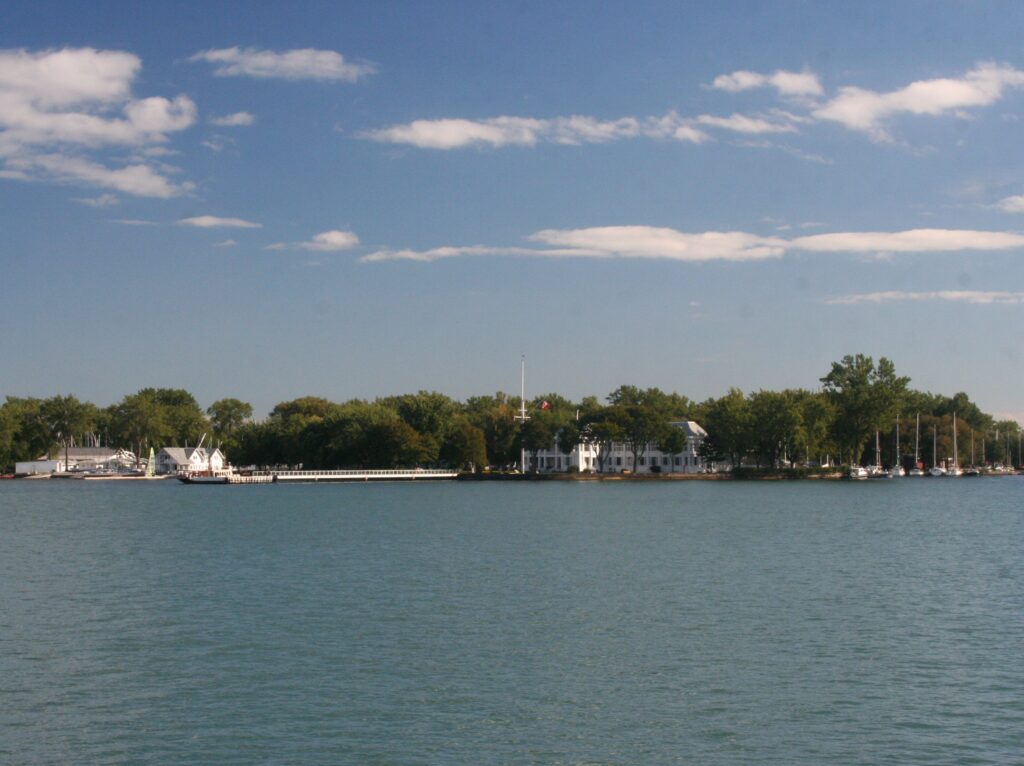
Photo: “Royalcanadianyacht” by Robert Taylor, via Wikimedia Commons, licensed under CC BY 2.0; unchanged. Illustrative setting only; no endorsement or client relationship implied.
