
A fine dining room in Toronto can look finished from the street and still be one leadership hire away from losing its edge. Guests notice the wine conversation, the timing of a tasting menu and whether the floor still feels calm when a critic or awards night is in the building. Fine dining restaurant general manager recruitment in Toronto should start with that operating reality, not with a generic hospitality job description copied from a casual concept.
This guide is for owners, restaurant groups and private investors hiring a general manager for a fine dining or tasting-menu restaurant in Toronto and across Ontario. It covers the mandate, the scorecard and a confidential approach. Lecours Group's hospitality recruiters treat the seat as a commercial and cultural appointment, not only a service supervisor role.
Where this page fits
This is the fine dining general manager seat: wine programme leadership, tasting-menu pacing, floor standards and awards pressure. It is different from bonus design, which we cover in our restaurant general manager bonus structure guide. For a different service model, see our quick-service restaurant general manager recruitment page. Our broader restaurant recruiting overview covers multi-concept hiring at a higher level.
Operators sometimes use General Manager, Managing Partner or Restaurant Director as the title. Agree the authority, P&L ownership and reporting line before you open the search. A candidate should not hear one version of the job from ownership and another from the chef.
What a fine dining GM actually owns
Wine programme and guest conversation
In Toronto's competitive dining market, the wine list is not a side project. The general manager sets the standard for pairing conversations, cellar discipline, by-the-glass quality and how the floor handles a guest who knows more than the average server. Ask candidates how they have built or rebuilt a list, trained the team and protected margin without making the room feel sales-driven. The best answers include specific examples of staff development, not only the names of producers they like.
Tasting-menu operations
A tasting menu fails when timing, allergies, pacing and kitchen communication break down. The GM is accountable for the guest journey from reservation notes through the last course. Look for evidence of service choreography under pressure, not only polished hospitality language. Ask how they handled a mid-service allergy change, a delayed course or a table that needed to leave early without collapsing the rest of the room.
Awards, media and reputation pressure
Awards seasons, media visits and social scrutiny change the temperature of a room. The right leader keeps standards high without turning the brigade into a theatre company. Ask how they prepared teams for elevated scrutiny and what they protected when publicity conflicted with labour, product quality or the long-term culture of the restaurant.
People, costs and the owner relationship
The GM hires and develops captains, sommeliers and managers, protects labour and food discipline, and translates owner expectations into a workable plan. Fine dining margins are thin when waste, overtime or weak training creep in. Commercial judgement belongs in the interview, not only after the offer. So does the ability to give ownership bad news early, with options rather than excuses.
Why these searches need discretion
- The strongest candidates are usually employed. A respected GM at a peer restaurant rarely answers a public ad. They need a clear reason to consider a move and confidence that their interest will stay confidential.
- Concept fit matters more than brand names. A hotel F&B director and an independent tasting-menu GM can share titles while doing different work. Assess the actual room, not the resume headline.
- Guest-facing reputation travels quickly. Informal enquiries through industry friends can expose a candidate before they have decided whether to proceed.
- Transition risk is real. A rushed start during awards season or a menu relaunch can damage both restaurants and weaken the appointment.
Who recruits for this seat
Toronto and Canadian firms regularly list restaurant general manager work. Finch recruits restaurant general managers across Toronto and the GTA and emphasises concept fit, certifications and references. Dilys Search frames senior hospitality leadership as a market where the strongest people are rarely visible on job boards. Blue Shock has long focused on restaurant and hospitality management searches across Canada. Those pages are useful market context; they are not evidence of a live vacancy at any named restaurant, and they are not a substitute for a mandate built around your own room.
Lecours Group's approach remains Ontario-first and Canadian, with the wine, service and commercial standards of the specific restaurant at the centre of the brief from the first conversation.
How a confidential search should run
- Audit the mandate. Review covers, average cheque, wine contribution, labour model, chef partnership and owner involvement before writing a scorecard.
- Agree what "fine dining" means here. Tasting-menu house, classic a la carte room or hotel fine dining each demand different evidence.
- Map employed candidates. Reach leaders with comparable room standards rather than relying only on inbound applications.
- Test judgement, not polish. Use a wine or tasting-menu scenario, a labour spike example and a guest recovery case in structured interviews.
- Protect confidentiality. Limit names to a small authorised group and control reference timing until mutual interest is clear.
- Plan the handoff. Agree notice, introductions to key guests and cellar or reservation system access before the offer is final.
Questions that reveal judgement
Ask a finalist to walk through a tasting-menu service that fell behind. What did they change on the floor, what did they say to the kitchen and what did the guest experience? Follow with a wine programme example: how they trained the team, handled a weak vintage or managed inventory risk. Then ask how they handled a disagreement with a chef or owner about a guest recovery decision. References should include people who have seen them under pressure, not only admirers of the room.
Common mistakes operators make
- Hiring for charm while leaving wine and P&L ownership vague.
- Copying a casual-dining scorecard into a tasting-menu search.
- Letting every partner give the candidate a different description of authority.
- Rushing the start date through awards season without a transition plan.
- Treating the chef relationship as an afterthought instead of a core assessment area.
Before interviews begin, decide who can change the mandate and who makes the final appointment. Ambiguity here is one of the fastest ways to lose a strong finalist.
What compensation conversations should cover
A substantial fine dining mandate may justify a six-figure leadership package, but we do not publish a Toronto range without verified evidence. Discuss base, any performance arrangement, benefits, wine education support and the practical expectations around late nights and weekends. Do not invent pay figures for this guide, and do not import an American posting as a Canadian budget shortcut. The package should reflect the actual scope and the candidate market for your concept.
What a hospitality-rooted firm adds
Fine dining general managers sit between owner ambition, chef creativity and guest expectation. Lecours Group looks for leaders who can protect standards without creating a brittle culture. The right appointment should strengthen the partnership with the kitchen, not create another boundary between the pass and the floor. Review the hospitality clients we've placed for when considering organisations that trust us with senior appointments.
Start a confidential conversation
If you are planning a fine dining general manager appointment in Toronto or Ontario, tell us about the mandate through our find candidates page. If you are exploring leadership opportunities, review our current openings. As of this writing, the board includes a Restaurant Manager role in Toronto (#10836) in fine-dining front of house; that is a related floor-leadership opening, not an advertisement for the general manager seat described in this guide.
Our team has spent years recruiting senior leaders across Canadian hospitality. Meet our recruiters and see who would run your search.
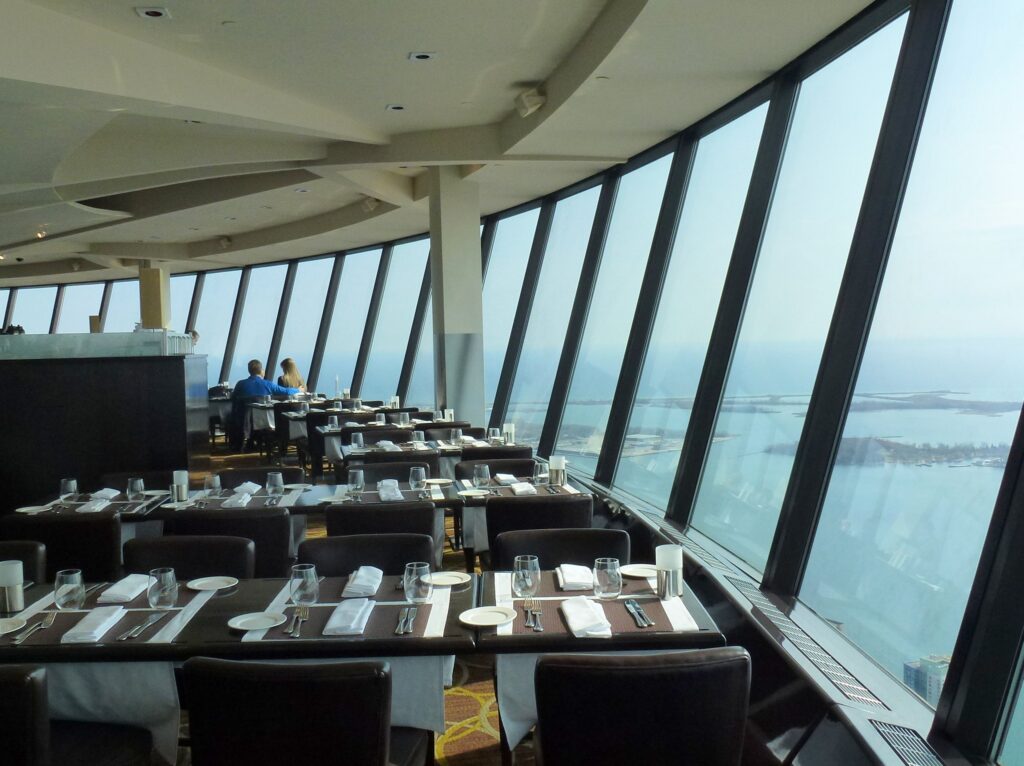
Photo: “Inside 360 Restaurant (1)” by Larry Koester, via Wikimedia Commons, licensed under CC BY 2.0; unchanged. Illustrative Toronto dining setting only; no endorsement or client relationship implied.
