
A private club can have a full membership, a strong dining room and a busy calendar, but the condition of the course still shapes the conversation after every round. When the leader responsible for that asset leaves, the board is not simply replacing a technical specialist. It is choosing the person who will protect the playing surface, lead a seasonal team and explain difficult investment decisions to members. Director of agronomy recruitment in Ontario should begin with that leadership mandate, not with a list of maintenance tasks.
This guide is for general managers, boards and search committees at Ontario and Canadian private clubs. It covers the Director of Agronomy or senior Class A Superintendent seat as one search, with a clear scorecard and a confidential approach. Lecours Group's hospitality recruiters look at how the leader will work with the whole club, as well as what they know about the course.
Where this page fits
This is the course-management leadership seat: turf, irrigation, drainage, course conditioning and grow-ins. It is different from the member-facing golf operation covered in our Director of Golf recruitment guide. For the leader accountable for the whole organisation, read our golf club general manager search in Ontario guide. Our golf club hiring season article covers the wider recruitment calendar.
A club may use Director of Agronomy or Superintendent as its title. The important question is whether the authority, budget and expectations describe the same senior job. Agree that before approaching candidates.
What the senior agronomy leader owns
Playing conditions and the annual plan
The director translates the club's expectations into an achievable conditioning programme. That includes how the course will play, the work required through the season and the compromises that weather or restricted access may demand. Candidates should be able to explain those decisions without either hiding behind technical language or promising perfect conditions every day.
Irrigation, drainage and resilience
Water systems, drainage weaknesses and ageing infrastructure need a plan that extends beyond the next tournament. Ask how the candidate has diagnosed recurring problems, prioritised work and explained what can be improved through operating discipline versus what needs capital investment.
Renovations and grow-ins
A reconstruction or grow-in changes the search. The club needs evidence of planning, contractor coordination, reopening decisions and communication when a schedule moves. A candidate who has inherited a finished course has not necessarily led a grow-in. Make the distinction explicit in the assessment.
People, equipment and spending
The director builds the seasonal team, develops assistants and works with equipment specialists. They should understand staffing availability, maintenance capacity and the replacement plan for major equipment. Technical judgement matters, but so does the ability to retain capable people through a demanding Ontario season.
Why these searches need discretion
- The strongest candidates may not be looking. A respected leader with a supportive GM needs a convincing reason to consider another club. A public advertisement alone will not explain that opportunity.
- Conditions reflect more than one person's ability. Infrastructure, budgets, weather and board decisions influence results. Assess the context behind a course's presentation rather than judging only the photograph.
- The transition has an operational cost. A departure during a renovation or seasonal opening needs a realistic handover. Rushing the start date can damage both clubs and weaken the appointment.
- Reputation travels quickly. Candidate names should stay within a small authorised group. Casual enquiries through members can expose someone before they have decided whether to proceed.
Who recruits for this seat
GSI Executive Search groups Golf Course Superintendent and Director of Agronomy together, describing responsibility for a major department, budget and the course asset. Denehy Club Thinking Partners also lists both titles under agronomy. These are useful examples of the seat being treated as a leadership search rather than only a technical vacancy.
Those service descriptions are market context, not Canadian salary evidence. An Ontario club still needs a mandate built around its own climate, infrastructure, membership expectations and reporting relationships. Lecours Group's approach is Canadian and Ontario-first, with the rest of the club's leadership team considered from the beginning.
How a confidential search should run
- Audit the mandate. Review the course plan, approved budget, equipment position and outstanding projects with the GM. Candidates need an honest account of what they would inherit.
- Agree the scorecard. Decide which experience is essential: comparable conditions, a grow-in, irrigation renewal, team development or a major renovation. Separate requirements from preferences.
- Map the Canadian market. Consider established directors and senior superintendents with relevant responsibility. Explore succession candidates without assuming that tenure alone makes them ready.
- Test the evidence. Discuss actual decisions, budgets and outcomes. Confirm credentials and any claimed Class A standing with the relevant organisation rather than relying on a title.
- Use structured finalist meetings. Give the GM and committee the same assessment questions. A course walk should test judgement, not turn into an unpaid design competition.
- Plan the transition. Agree notice, relocation, introductions and access to records before the offer is final. Protect the outgoing leader's dignity and the incoming director's authority.
Questions that reveal judgement
Ask a finalist to describe a season when expectations and available resources did not match. What did they change, what did they communicate, and what would they do differently? Follow with a renovation example: who controlled the schedule, how were risks escalated and what happened when opening conditions were not ready?
References should include people who have seen the candidate handle disagreement, not only people who admire the course. With permission, explore how the person worked with a GM, developed assistants and explained a difficult recommendation to a committee. The goal is evidence of calm leadership under pressure.
Common mistakes clubs make
- Advertising a strategic director role while reserving every meaningful decision for a committee.
- Choosing on course appearance without understanding the resources behind it.
- Making a long wish list without identifying the first season's priorities.
- Expecting the new director to deliver an unapproved capital programme.
- Letting informal member references compromise candidate confidentiality.
Before the search begins, decide who can change the mandate and who makes the appointment. A candidate should not receive a different description of the job from every person they meet.
What compensation conversations should cover
A substantial director mandate may justify a six-figure leadership package, but we do not publish an Ontario range without verified evidence. Discuss the complete offer: base, any performance arrangement, benefits, professional development, relocation and the practical expectations around seasonal availability. Explain what resources accompany the accountability.
Do not use an American posting as a shortcut to a Canadian budget. The package should reflect the actual scope and the candidate market, not a converted number from a different climate or club model.
What a hospitality-rooted firm adds
Course decisions affect events, member communications and the daily operating plan. Lecours Group looks for leaders who can protect their professional judgement while working constructively with colleagues. The right appointment should strengthen the leadership team, not create another boundary between departments.
Review the hospitality clients we've placed for when considering the organisations that trust us with senior appointments. Ask how the search will reach employed candidates and how technical assessment will be supported.
Start a confidential conversation
If you are planning a Director of Agronomy appointment or a senior superintendent transition, tell us about the mandate through our find candidates page. If you are exploring leadership opportunities, review our current openings. This guide is not an advertisement for an agronomy vacancy; opportunities on the board have their own titles and requirements.
Our team has spent years recruiting senior leaders across Canadian hospitality and private clubs. Meet our recruiters and see who would run your search.
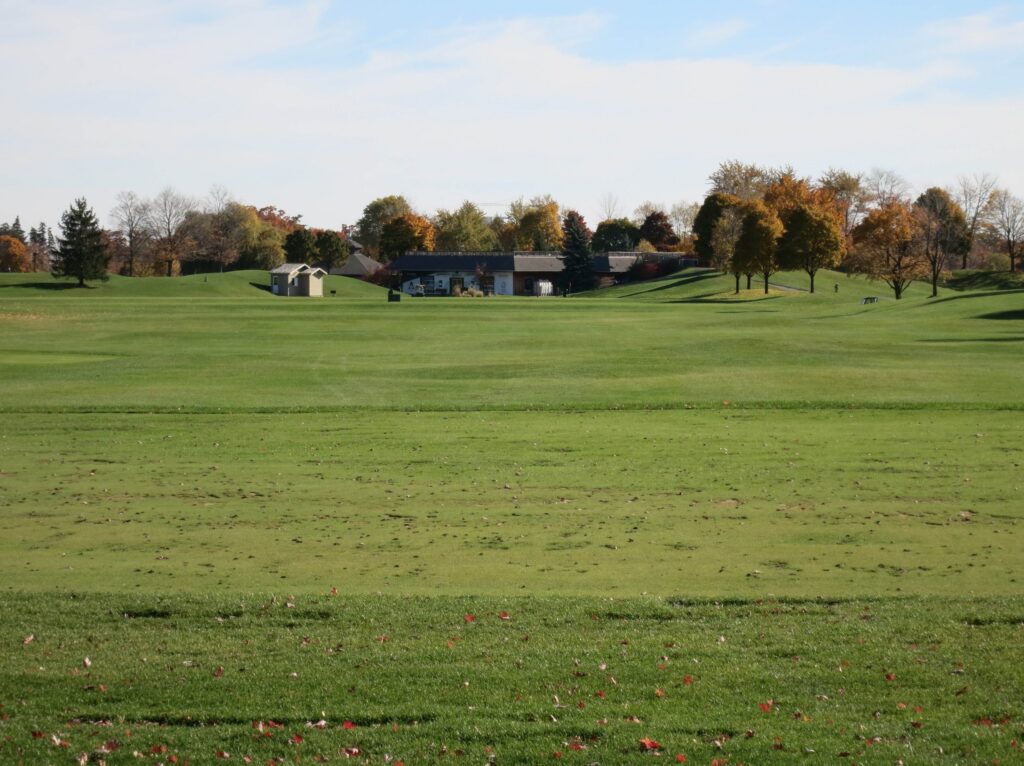
Photo: “Glen Abbey Golf Course-2016-11-06-002” by Whpq, via Wikimedia Commons, licensed under CC BY-SA 4.0; unchanged. Illustrative setting only; no endorsement or client relationship implied.
