
Foodservice sales representative interview questions are where most hiring mistakes in this seat either get caught or get waved through. A confident seller can talk well about relationships, energy and closing. What an interview has to find out is narrower and harder: whether the person can plan a territory, earn the respect of a chef who has no time for them, hold a pricing and credit line, win back an account that has walked, and keep finding new business when the easy calls are done. This question bank is written for Canadian manufacturers, distributors and specialty producers, with Ontario employers especially in mind, who want to interview for those things directly and know what a strong answer sounds like.
Lecours Group's hospitality recruiters work with commercial teams that sell into kitchens, clubs, hotels, caterers and institutional foodservice. The questions below come from that work. Ask every finalist the same core questions and score the answers against one standard.
Before you ask anything: agree on the seat
An interview can only test what the hiring team has already agreed the seat is. Decide in advance whether the representative is building a book, inheriting one or doing both, which accounts they will own, and how much authority they will have on pricing and credit. If you have not written that down yet, start with our foodservice sales representative job description guide, then come back to the questions. Every panel member should know which areas they are responsible for probing, so the sales leader is not the only person asking about the territory while the finance lead sits silent on credit.
Territory planning questions
Good foodservice representatives think about a territory the way a chef thinks about a menu: what earns its place, what needs attention and what should come off. These questions test whether the candidate plans or simply reacts.
- "Walk me through how you organized your current territory in your first quarter. What did you look at first, and what did you decide to leave alone?"
- "How do you decide which accounts get a visit this week and which get a call or an email?"
- "Tell me about a time you inherited a book that was badly organized. What did you change, and what did you learn about the accounts in the process?"
- "How do you balance time between growing existing accounts and opening new ones?"
What a strong answer sounds like: the candidate describes a method, not a mood. They talk about sorting accounts by potential and by risk, building a weekly route that respects a kitchen's service times, and reviewing the plan when something changes, such as a new opening, a lost chef or a supply problem. They can tell you what they stopped doing, which is often the clearest sign of judgement. A weak answer sounds like constant activity with no priorities: "I just get out there and see everyone."
Chef credibility questions
In foodservice, the buyer is often a chef or culinary director with a long memory and a short temper for wasted time. A representative who cannot be useful in a kitchen will struggle, however good their pitch.
- "Describe the last time you walked into a kitchen in the middle of prep. How did you decide whether to stay or come back later?"
- "Tell me about a chef who was sceptical of you or your product. How did you earn a second meeting?"
- "How do you run a tasting or a product demonstration so that it respects the kitchen's time and standards?"
- "What do you do when a chef tells you your product is not as good as the one they already use?"
What a strong answer sounds like: the candidate shows they understand how a kitchen works. They mention reading the room, knowing when service is close, speaking about the product in culinary terms such as yield, consistency, handling and how it holds on the line, and following up with something useful rather than a generic check-in. The best answers include a moment where they told a chef the honest truth, even when it cost them a sale. Be wary of answers that treat chefs as an obstacle to get around, or that rely only on free samples and personal charm.
Margin and credit discipline questions
A representative who wins volume by giving away margin, or who lets an account run behind because the relationship feels warm, can do real damage before anyone notices. These questions test whether the candidate treats pricing and credit as part of the job.
- "Tell me about a time a customer pushed hard for a better price. What did you do, and who did you involve?"
- "How do you decide when to ask for a pricing exception, and how do you make the case internally?"
- "Describe an account that started falling behind on payment. When did you notice, and what conversation did you have?"
- "Have you ever walked away from business because the terms did not make sense? What happened next?"
What a strong answer sounds like: the candidate knows the limits of their authority and respects them. They talk about selling value before discussing price, bringing the sales leader or credit team in early, and having a direct, respectful conversation with an operator who is stretching terms. They can describe a deal they declined and explain why it was right for the company. Keep this part of the interview about behaviour and judgement. Commission plans and packages belong in a separate, confidential conversation later in the process, not in the question bank.
Lost-account recovery questions
Every foodservice book loses accounts: a chef moves on, a competitor undercuts, a delivery goes wrong at the worst possible moment. What matters is how the representative responds.
- "Tell me about an account you lost. What actually caused it, and what was your part in it?"
- "Walk me through how you tried to win it back. Who did you talk to first?"
- "When a new chef arrives at one of your accounts and wants to change suppliers, what do you do in the first two weeks?"
- "How do you handle a service failure, such as a short delivery or a quality problem, that was not your fault but landed on your customer?"
What a strong answer sounds like: ownership without excuses. The candidate names the real cause, including their own mistakes, and describes a patient plan to rebuild trust: an honest conversation, a fix to the underlying problem, and staying in touch without pestering. They understand that a chef who leaves often takes their preferences to the next kitchen, so a lost account can become a new one somewhere else. A weak answer blames operations, logistics or price for every loss.
Prospecting questions
Once a territory is organized, growth depends on finding new kitchens worth serving. These questions test whether the candidate prospects with purpose.
- "How do you find out about a new restaurant, club or hotel opening in your territory before your competitors do?"
- "Tell me about the hardest account you ever opened. How long did it take, and what finally worked?"
- "How do you decide that a prospect is not worth more of your time?"
- "What does your first conversation with a new operator usually sound like?"
What a strong answer sounds like: the candidate has real sources, such as chefs who move between kitchens, distributor partners, industry events, building permits or simply paying attention to their routes. They are persistent but selective, and they can explain when they stopped chasing a prospect. Their first conversation is about the operator's menu and problems, not a product list.
A practical scenario to close the interview
Finish with a short scenario that pulls the themes together. For example: "A chef at one of your best accounts has just been replaced. The new chef has a supplier they like, your pricing is under pressure, and the account is a little behind on payment. What do you do in your first month?" A strong candidate will set priorities, protect the relationship and the margin at the same time, involve the right people internally, and be honest about what they cannot promise. Listen for sequence and judgement rather than a perfect answer.
Common interviewing mistakes
- Letting a strong personality stand in for evidence of territory planning or credit discipline.
- Asking only hypothetical questions, so candidates describe what they would do rather than what they have done.
- Leaving credit and pricing out of the interview because they feel awkward to discuss.
- Scoring finalists against different questions, which makes a fair comparison impossible.
Frequently asked questions
How many interview rounds does a foodservice sales representative need?
Most Canadian employers can cover the ground in two structured conversations and a short meeting with someone from culinary or operations. More rounds rarely add insight, and strong representatives often have other conversations under way.
Should a chef sit on the interview panel?
If you have one, yes. A chef or culinary lead will notice quickly whether a candidate understands kitchens, and their view on credibility is often the most useful one in the room.
Where can I find help with the wider hiring process?
For guidance on finding, assessing and appointing sellers that chefs and operators trust, read about our approach to foodservice sales recruitment.
What a hospitality-rooted firm adds
Lecours Group helps Canadian foodservice employers interview commercial talent with the same care they bring to choosing a supplier. We know how kitchens buy, what credible sellers sound like and where a polished interview can hide a weak territory plan. Review the hospitality clients we've placed for to see the organizations that trust us with these appointments.
Start a confidential conversation
If you are preparing to interview foodservice sales representatives, or you would like support with the full appointment, tell us about the role through our find candidates page. We are currently recruiting an Outside Sales Representative (#10875) for a pastry and dessert company in Markham, and you can see that role and our other current openings.
Our team has spent years appointing commercial and culinary leaders across Canadian foodservice and hospitality. Meet our recruiters and see who would support your process.
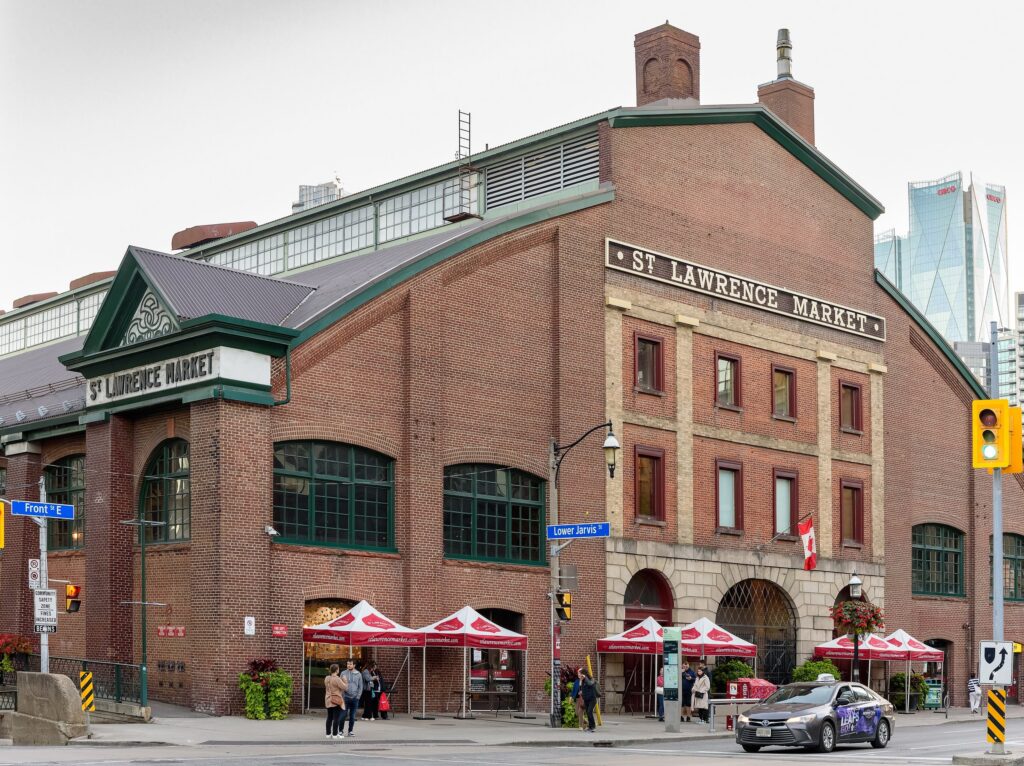
Photo: “St. Lawrence Market, Toronto” by Mustang Joe, via Wikimedia Commons, released under CC0 1.0; resized. Illustrative Toronto food setting only; no endorsement or client relationship implied.
