
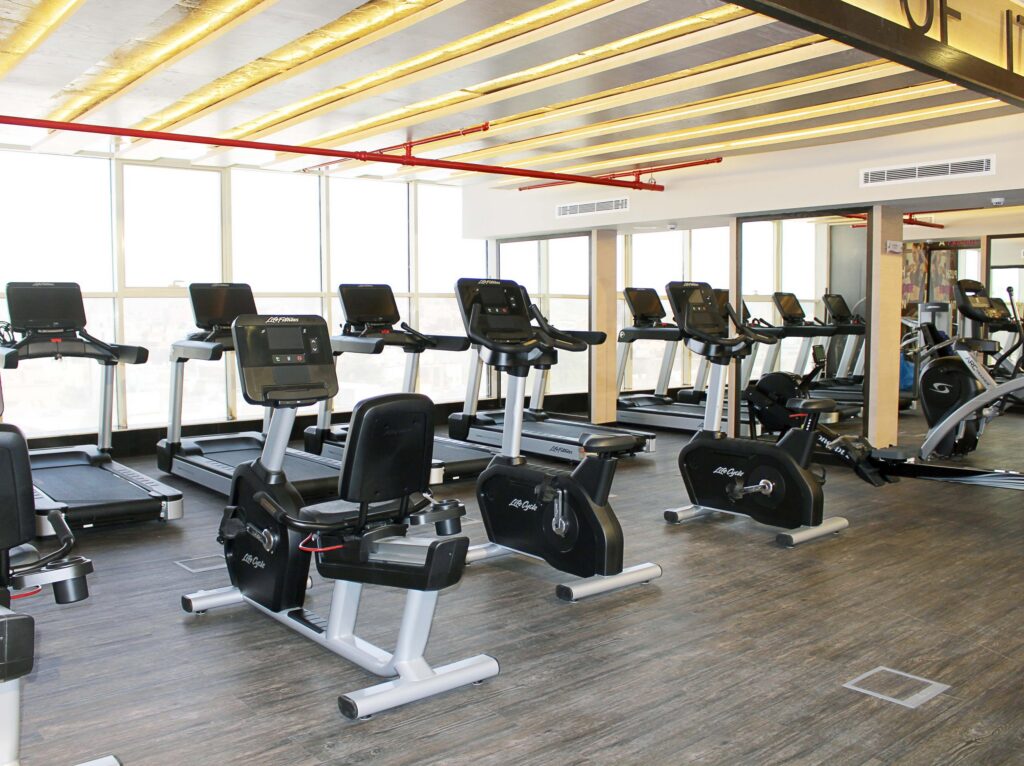
A fitness room can be full of new equipment and still feel disconnected from club life. Classes may suit the same small group, new members may not know where to start, and instructors may work to different standards. The Director of Fitness is the leader who turns those separate activities into a member programme. Private club fitness director recruitment should test that ability to build participation and lead people, not simply reward the strongest personal trainer.
This guide is for Ontario and Canadian private-club GMs, boards and search committees. It covers the fitness and wellness member-programming seat, with a Canadian, confidential search in mind. Lecours Group's hospitality recruiters assess how a department leader contributes to the whole member experience as well as the operation they run.
Where this page fits
Fitness leadership is a distinct appointment. Our Director of Racquets recruitment guide covers the courts and teaching operation. The clubhouse manager guide addresses service across the building, while private-club social events recruitment concerns the social calendar. For membership leadership, see Director of Membership recruitment.
The fitness director works with those colleagues, but should not inherit all their responsibilities through an unclear job description. This is about movement, participation, instructor quality and a coherent wellness programme, not running a spa business.
What the director should own
A programme members actually use
The director decides how the weekly timetable serves different ages, confidence levels and schedules. A strong programme gives established users enough depth while making it easy for a newcomer to join. Ask candidates how they identify unmet demand rather than simply adding whichever class is fashionable.
Instructors and service standards
Personal trainers, group instructors and programme coordinators need clear expectations. The director recruits and develops the team, checks qualifications appropriate to the work and creates dependable cover when someone is away. Members should experience one department rather than a collection of unrelated instructors.
Member relationships
A busy class does not prove that the programme serves the wider membership. The leader should listen to non-users, handle competing requests and explain scheduling decisions fairly. Welcoming a nervous first-time participant can matter as much as satisfying an experienced athlete.
Budget and operational discipline
Programme income, instructor costs, room capacity and equipment renewal need to be understood together. Candidates should distinguish participation from contribution and explain which services are included in dues, which are charged separately and how that affects perceived value.
Wellness within sensible boundaries
A director can coordinate educational sessions, mobility classes and partnerships without presenting every activity as a clinical service. The club should define professional boundaries, referral arrangements and the qualifications needed for each offering. Recruitment should not make medical expertise an implied promise.
Why the seat is becoming more strategic
GSI's discussion of wellness leadership describes clubs connecting movement, recovery, nutrition and social connection. It recommends starting with member needs and measuring participation, satisfaction and repeat use. That is useful context for a board deciding whether a collection of classes now needs a dedicated leader.
It is not a reason to copy another club's facilities plan. An Ontario club with a modest studio may need better programming and instructor consistency before it needs a large expansion. The mandate should follow demonstrated demand, the building's capacity and the club's financial priorities.
Why these searches are harder than they look
- Teaching and leadership are different jobs. An excellent trainer may never have managed a budget, recruited instructors or presented to a committee.
- The service model varies. Some directors teach extensively; others lead a larger team. Candidates need an honest account of the balance.
- Relationships make moves sensitive. Established leaders may have deep connections with members. A discreet approach protects both the candidate and the club.
- Programme preferences can dominate interviews. A search committee needs a shared scorecard, not a contest between supporters of different activities.
- Winter matters. Ontario clubs should assess year-round engagement rather than build the whole brief around a summer timetable.
How a confidential search should run
- Review the current offer. Look at usage, cancellations, waitlists, member feedback and instructor arrangements. Decide what needs to improve.
- Define the seat. Agree reporting lines, team size, teaching expectations, budget authority and the relationship with other departments.
- Build a scorecard. Set outcomes around reliable delivery, wider participation, team development and financial discipline. Avoid unsupported growth promises.
- Map relevant leaders. Approach Canadian club and member-focused fitness leaders privately. Consider adjacent experience only where the candidate understands the club model.
- Assess actual decisions. Ask for examples of timetable changes, instructor development and difficult member conversations. Explore the evidence behind claimed results.
- Close with a practical plan. Agree the handover, introductions, first programme review and how the GM will support the new director.
Choose the committee carefully
KK&W's guidance on a fitness and wellness search committee puts confidentiality first and recommends representation across the programme's member constituencies. It also distinguishes the committee's recommendation from the GM/COO's role in the final decision. Those are useful principles for an Ontario club, even where its own governance arrangements differ.
Decide who will meet candidates, what information they can retain and how feedback will be recorded. Include perspectives beyond the most frequent users. Candidates are assessing the club too; an organised process signals that the eventual director will have a workable mandate.
Questions that reveal a programme builder
Ask a finalist how they would investigate a programme with loyal regulars but low participation across the membership. A good answer should begin with evidence and listening, not an immediate promise to replace the timetable. Follow with a staffing question: how have they handled an instructor who was popular with members but unreliable with colleagues?
For assessment, use a short, clearly bounded discussion of a realistic scenario. Do not ask candidates to produce a free annual business plan. References should explore leadership, discretion, budget ownership and the way the candidate responds when a programme does not work.
Common mistakes clubs make
- Promoting the highest-revenue trainer without testing their ability to lead other instructors.
- Leaving teaching income and time on the floor undefined until the offer stage.
- Buying equipment before agreeing the member programme it will support.
- Making the director accountable for participation without giving them scheduling authority.
- Confusing a broad wellness ambition with permission to offer services beyond staff qualifications.
What compensation conversations should cover
Where the scope supports a six-figure department-head appointment, discuss it as a leadership package. We do not publish an Ontario range without verified evidence. Be clear about base, any incentive, personal training or programme income, benefits, professional development and the expected balance between delivery and management.
The candidate also needs to understand evening and weekend coverage and the authority to build a sustainable team. An attractive title will not resolve a role that expects full-time teaching and full-time management at once.
What a hospitality-rooted firm adds
Fitness can bring members into the club more often and help them build relationships, but it must work with the rest of the operation. Lecours Group looks for department heads who collaborate on communications, room use and the member journey without losing ownership of their own programme.
Review the hospitality clients we've placed for and ask how a proposed search would test both programme leadership and cultural fit. Our starting point is the Canadian market, with Ontario at the centre.
Start a confidential conversation
If you are planning a fitness leadership appointment, share the scope through our find candidates page. If you are a club leader exploring opportunities, review our current openings. This guide is not an advertisement for a fitness or wellness vacancy; each advertised position has its own requirements.
Our team has spent years recruiting senior leaders across Canadian hospitality and private clubs. Meet our recruiters and see who would run your search.
Photo: “Asag gym2” by مركز آساج الرياضي, via Wikimedia Commons, licensed under CC BY-SA 4.0; unchanged. Illustrative setting only; no endorsement or client relationship implied.
